

 sk
sk 
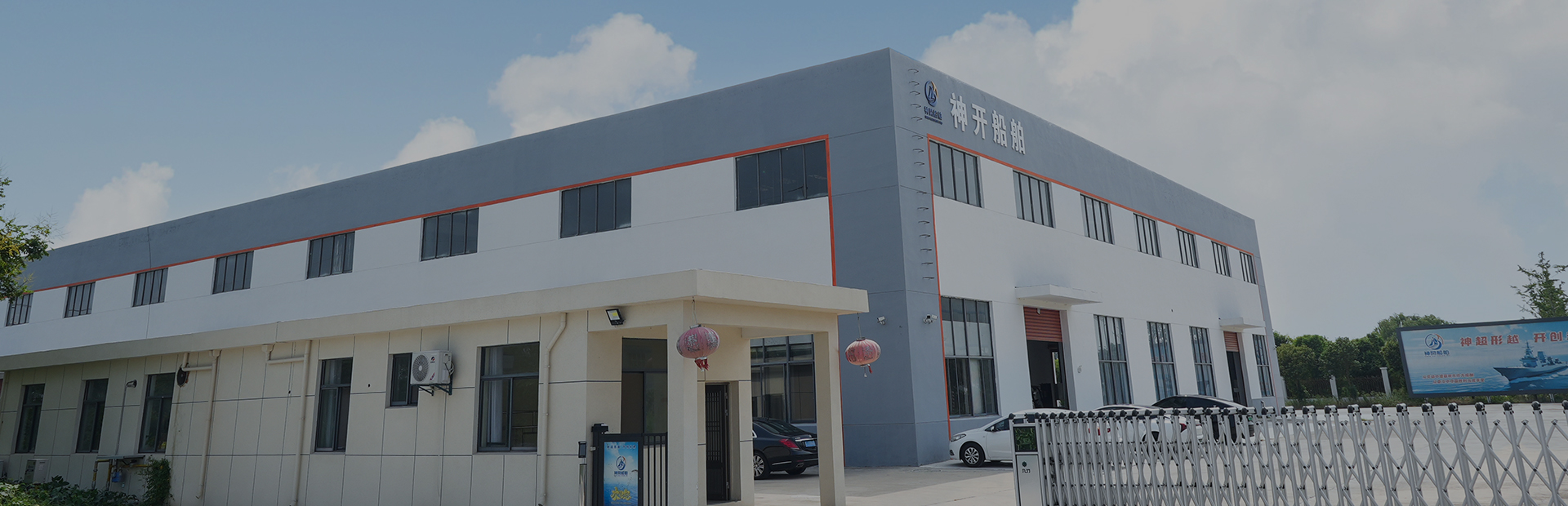
Jiangsu Shenkai Marine Equipment Co.,Ltd. Čína Dodávatelia morských kotviacich lán a Výrobcovia lodných lán, navrhuje a vyrába morské vybavenie. Jeho súčasná ponuka produktov zahŕňa morské prefabrikované chladiarenské sklady, morské ventilačné potrubné systémy, morské kryty, morské kompozitné panely, morské interiérové riešenia, protipožiarne dvere, sanitárne jednotky a ďalšie produkty a služby. Spoločnosť založená v roku 2023 uprednostňuje technologické inovácie a neustále zlepšovanie ako svoju základnú stratégiu a kľúčovú konkurencieschopnosť. Prostredníctvom neúnavného úsilia a skúmania poskytuje vysokokvalitné produkty a komplexné služby. V súčasnosti sa spoločnosť môže pochváliť dostatočnou technickou a výrobnou kapacitou, pričom ročne vyrobí a obslúži približne 300 sád morských chladiarenských panelov. Taktiež sa zaoberá výrobou a servisom ventilačných potrubných systémov a morských interiérových projektov. Technický výkon, konštrukčné vlastnosti a kvalita našich produktov plne spĺňajú požiadavky a normy pre morské a pobrežné inžinierstvo. Sú široko používané hlavnými domácimi lodenicami a sú na úrovni podobných medzinárodných produktov. V súčasnosti vyvážame produkty vo veľkom do krajín ako Japonsko, Filipíny, Singapur, Južná Kórea, Vietnam a India. Spoločnosť uprednostňuje zameranie na zákazníka a snaží sa prekonať očakávania zákazníkov, pričom poskytuje komplexné podporné služby pre morské produkty. Sme odhodlaní úzko spolupracovať s domácimi a medzinárodnými podnikmi, zdieľať zdroje a vytvárať spoločný úspech.

product
Výrobcovia morských/ lodných kotviacich lán
-
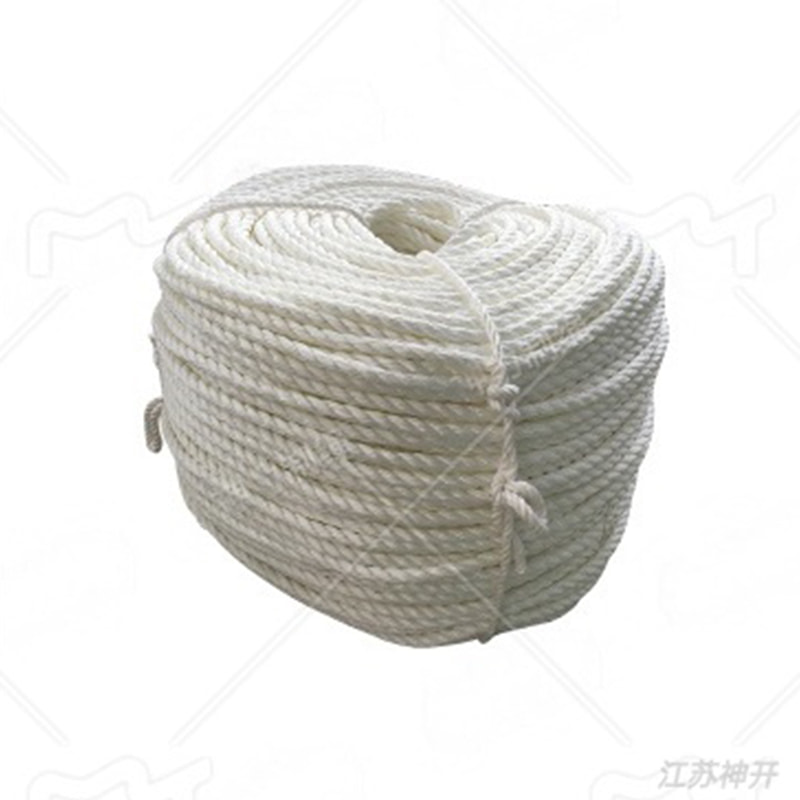
Námorné polypropylénové lano
Polypropylén má hustotu približne 0,90-0,91 g/cm³, čo je ... -
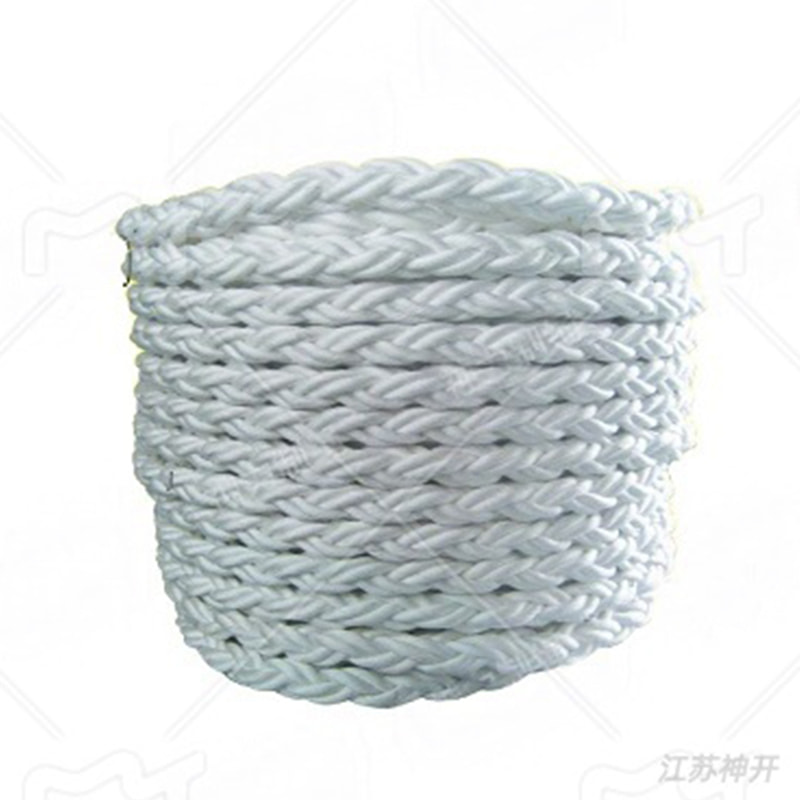
Námorné nylonové lano
Nylonové vlákno sa môže pochváliť pevnosťou v pretrhnutí ... -
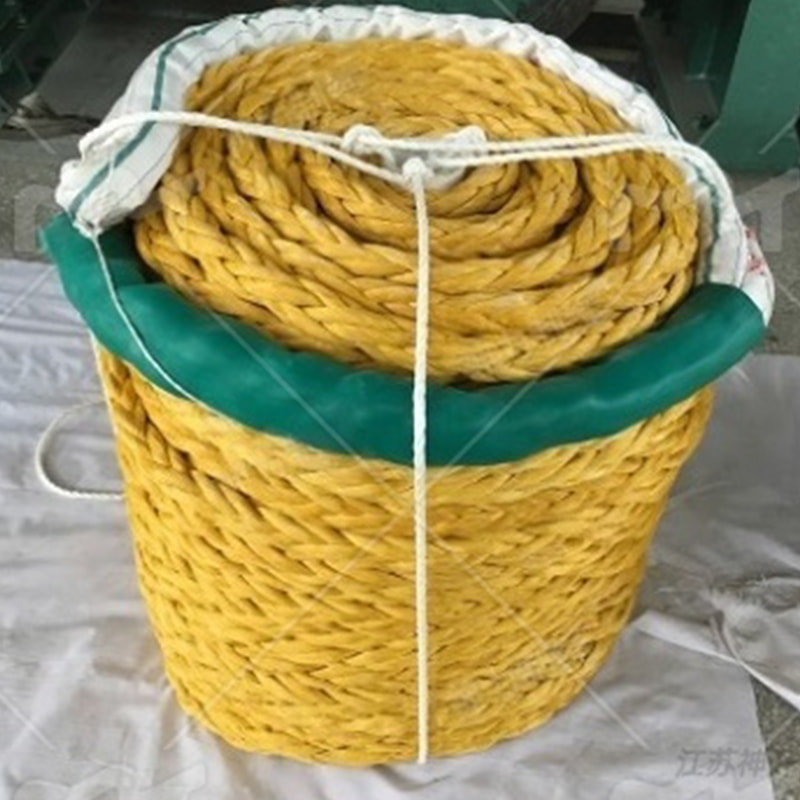
Námorné polyetylénové lano
Polyetylénové vlákno s ultra vysokou molekulovou hmotnosť... -
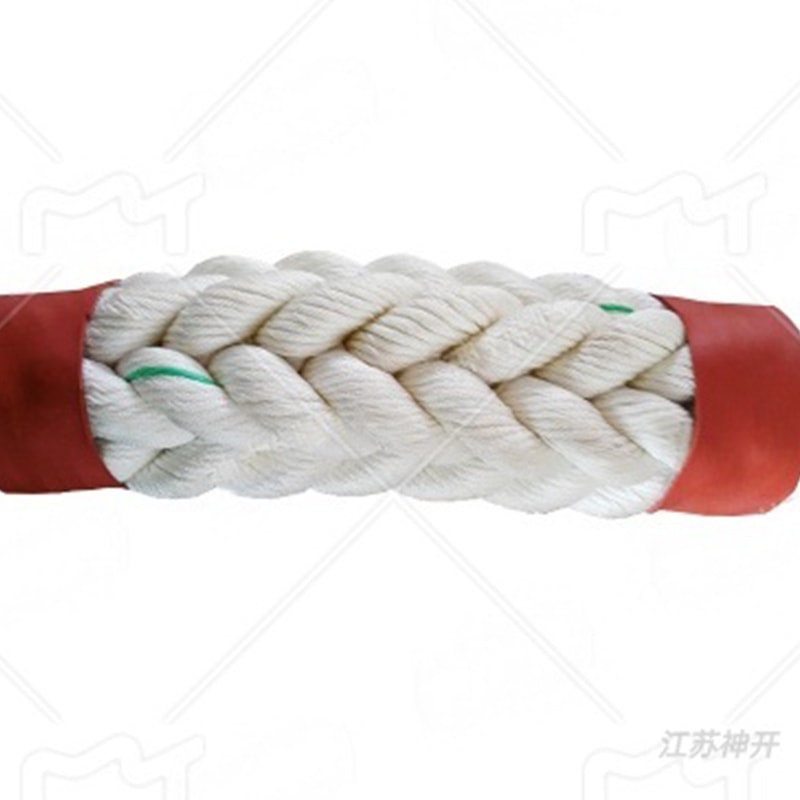
Námorná nylonová šnúra
Nylonový kábel Marine sa môže pochváliť výnimočnou pevnos... -
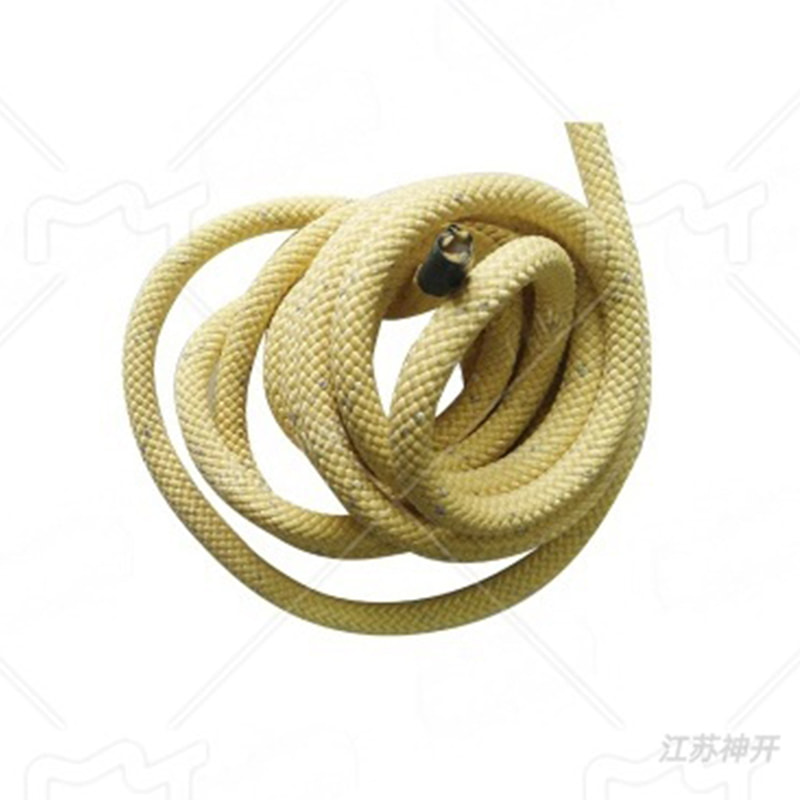
Morské aramidové lano
Aramidové vlákno sa môže pochváliť pevnosťou v pretrhnutí... -
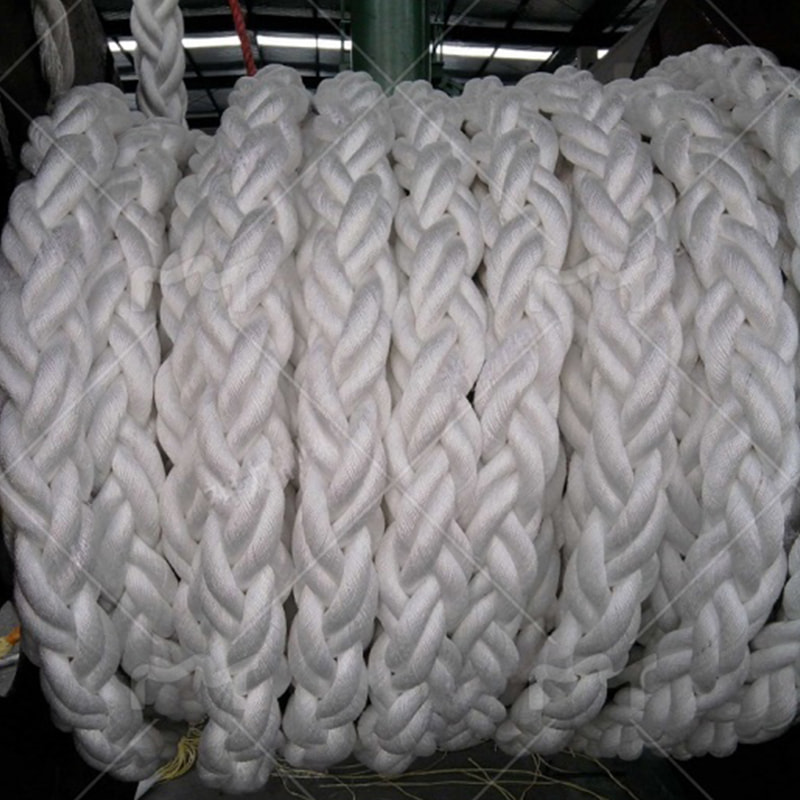
Morské polyesterové lano
Polyesterové vlákno sa môže pochváliť pevnosťou v pretrhn...
Séria Marine Rope je základným vybavením pre lodnú navigáciu, dokovanie a operácie. Spája lode s dokmi, inými plavidlami alebo kotviacimi systémami, nesie napätie a poskytuje tlmenie nárazu. Aplikácie zahŕňajú predovšetkým kotvenie, ťahanie, kotvenie a núdzové situácie. Rozmery série morských lán musia byť prispôsobené tonáži plavidla a prevádzkovému napätiu. Medzi kľúčové parametre patrí priemer, dĺžka a medza pevnosti. Sú navrhnuté a prispôsobené na základe veľkosti plavidla, zaťaženia a prevádzkového scenára. Naše materiály série Marine Rope spĺňajú požiadavky na vysokú pevnosť, odolnosť proti oderu, odolnosť proti korózii (morská voda a UV žiarenie) a nízku hmotnosť. Výrobný proces série Marine Rope zahŕňa krútenie, opletanie a následné spracovanie. Všetky naše produkty sú kontrolované a certifikované klasifikačnými spoločnosťami. Výber série námorných lán musí byť založený na špecifickom napätí, environmentálnych a prevádzkových požiadavkách konkrétneho scenára, vyvážení výkonu a nákladov. To je dôležité pre bezpečnú prevádzku lode. Zákazníkom ponúkame rôzne materiály a typy lán, z ktorých si môžu vybrať, a navrhujeme a prispôsobujeme ich tak, aby vyhovovali ich špecifickým požiadavkám.
O
Jiangsu Shenkai Marine Equipment Co.,Ltd.
Správy
-
Úvod do Námaleboný špirálový kanál V náročnom prostredí námaleboného priemyslu sú spoľahlivé rozvody vzduchu a výfukové systémy rozhodujúce pre zaistenie bezpečnosti, pohodlia a prevádzkovej efektívnosti. Jedným z kľúčových komponentov, ktorý hrá v týchto systémoch zásadnú úlohu, je morský špirálový kanál...
ČÍTAŤ VIAC -
Úvod do námaleboných lán Čo sú námaleboné laná? Námaleboné laná , ktaleboé sa v námaleboníctve často označujú ako línie, sú základnou súčasťou každého člna alebo námaleboného plavidla. Sú to špeciálne navrhnuté šnúry, káble alebo pramene skrútené alebo spletené dohromady, aby poskytovali pevnosť, odolnos...
ČÍTAŤ VIAC -
Úvod V dnešnom globalizovanom svete sa dopyt po efektívnom a spoľahlivom chladení lodí stal kritickejším ako kedykoľvek predtým. Keďže medzinárodný obchod neustále rastie, preprava tovaru – najmä položiek podliehajúcich skaze, ako sú potraviny, liečivá a iné produkty citlivé na teplotu – si vyžaduje špeciali...
ČÍTAŤ VIAC
Séria námorných lán Odborné znalosti
How do different marine rope series materials compare in terms of weight and strength?
Introduction to Marine Rope Materials
Marine ropes play a critical role in the shipping, fishing, and offshore industries. They are used for mooring, towing, lifting, securing cargo, and safety applications. The performance of a rope depends heavily on its material composition, which influences weight, strength, durability, and resistance to environmental factors such as saltwater and UV exposure. Different rope series materials, including natural fibers like manila and synthetic fibers like nylon, polyester, polypropylene, and HMPE (high-modulus polyethylene), offer unique properties that determine their suitability for specific marine uses. Comparing these materials in terms of weight and strength provides valuable insights into selecting the right rope for marine operations.
Natural Fiber Ropes: Manila and Sisal
Manila and sisal ropes are traditional natural fiber ropes commonly used before the widespread adoption of synthetic alternatives. Manila rope, derived from abacá fibers, is known for its durability compared to other natural fibers, but it is significantly heavier than modern synthetic ropes. It absorbs water easily, increasing its weight when wet, and its strength decreases over time due to rot and mildew. Sisal ropes, made from agave fibers, are similar but generally lighter and weaker than manila ropes. While these ropes are biodegradable and affordable, their limitations in strength-to-weight ratio restrict their application in heavy-duty marine tasks where modern materials outperform them.
Nylon Marine Ropes
Nylon is one of the most widely used synthetic fibers in marine ropes due to its high tensile strength and elasticity. It provides excellent shock absorption, making it suitable for mooring lines and towing operations where dynamic loads are common. However, nylon is relatively heavy compared to other synthetic ropes, and it absorbs water, which further increases its weight by up to 10–15%. While nylon ropes are strong, their water absorption can be a drawback for certain applications. Nevertheless, their high breaking strength and durability under repeated stress cycles make them a reliable choice for critical marine operations.
Polyester Marine Ropes
Polyester ropes are valued in marine applications for their balance of strength, low stretch, and resistance to abrasion and UV degradation. Unlike nylon, polyester absorbs very little water, which helps maintain a stable weight in both dry and wet conditions. Although slightly less strong than nylon on a per-weight basis, polyester offers better dimensional stability, making it suitable for standing rigging, anchoring, and applications requiring consistent tension. Polyester ropes are heavier than polypropylene ropes but lighter than nylon when water absorption is considered. Their predictable performance makes them a standard material for many marine rope series.
Polypropylene Marine Ropes
Polypropylene is one of the lightest materials used in marine ropes. It is less dense than water, allowing polypropylene ropes to float, which is advantageous in rescue operations and marker lines. In terms of strength, polypropylene is weaker than nylon and polyester, but its lightweight nature makes it easier to handle and deploy. However, polypropylene ropes degrade faster under UV exposure and have lower melting points, which limit their long-term use in demanding marine environments. They are often used in temporary applications, water sports, and scenarios where buoyancy is a priority over high strength.
HMPE (High-Modulus Polyethylene) Ropes
High-modulus polyethylene (HMPE) ropes, such as those made from Dyneema or Spectra fibers, represent some of the strongest and lightest marine rope materials available. HMPE ropes have an excellent strength-to-weight ratio, outperforming steel wire ropes in many cases while being significantly lighter. They are highly resistant to water absorption, UV rays, and abrasion, which enhances their durability in marine environments. The low stretch of HMPE ropes also makes them suitable for precision applications like towing, winching, and lifting heavy loads. Although more expensive than traditional ropes, their performance justifies the investment in critical operations where weight reduction and strength are equally important.
Comparative Analysis of Rope Materials
The following table provides a comparative overview of the most common marine rope materials in terms of their weight and strength characteristics:
| Material | Relative Weight | Water Absorption | Tensile Strength | Buoyancy |
|---|---|---|---|---|
| Manila | Heavy | High | Moderate | Sinks |
| Sisal | Moderate | High | Low to Moderate | Sinks |
| Nylon | Heavy | Moderate to High | High | Sinks |
| Polyester | Moderate | Low | High | Sinks |
| Polypropylene | Light | Low | Moderate | Floats |
Strength-to-Weight Ratios
Strength-to-weight ratio is a critical factor in marine rope selection. Manila and sisal have lower ratios due to their natural fiber composition, which makes them heavy and less strong compared to synthetic options. Nylon provides high strength but its relatively high weight, especially when wet, reduces its strength-to-weight efficiency. Polyester achieves a balance with stable weight and reliable strength. Polypropylene excels in lightweight applications but falls short in strength compared to nylon and polyester. HMPE ropes stand out with exceptional strength at a fraction of the weight, giving them the best strength-to-weight ratio among modern marine rope materials.
Impact of Water Absorption on Weight
Water absorption significantly affects the operational weight of marine ropes. Natural fiber ropes like manila and sisal absorb substantial amounts of water, becoming heavier and more difficult to handle when wet. Nylon also absorbs water, though less than natural fibers, leading to weight increases of up to 15%. Polyester and HMPE ropes, by contrast, absorb negligible amounts of water, maintaining stable weights in marine environments. Polypropylene not only absorbs very little water but also floats, making it particularly advantageous for surface operations. The ability of a rope to resist water absorption directly influences its handling efficiency and long-term usability.
Durability Considerations
Durability in marine ropes depends not only on weight and strength but also on resistance to environmental degradation. Manila and sisal ropes degrade quickly when exposed to saltwater and require frequent replacement. Nylon is strong but degrades under UV exposure. Polyester demonstrates superior resistance to UV and abrasion, contributing to longer service life. Polypropylene suffers from UV degradation, limiting its use in long-term applications. HMPE ropes combine high strength and lightweight design with excellent resistance to UV, abrasion, and chemicals, making them among the most durable materials for marine ropes.
Handling and Flexibility
Handling properties are an essential aspect of marine ropes, as ease of use impacts efficiency and safety. Manila ropes, while heavy, provide good grip but become stiff when wet. Nylon ropes are flexible and easy to handle, though their increased weight in water can be a challenge. Polyester ropes remain manageable and maintain flexibility even in wet conditions. Polypropylene ropes are extremely lightweight and easy to deploy, although their lower grip and strength can reduce reliability. HMPE ropes, despite their strength, are lightweight and easy to maneuver, although they can feel more slippery compared to traditional ropes.
Table: Suitability of Rope Materials for Marine Applications
The following table summarizes the suitability of different rope materials for specific marine uses based on their weight and strength characteristics:
| Application | Preferred Material | Reason |
|---|---|---|
| Mooring Lines | Nylon, Polyester | High strength and shock absorption for dynamic loads |
| Towing | Nylon, HMPE | Strength and elasticity for heavy loads |
| Rescue Lines | Polypropylene, HMPE | Lightweight and buoyant for surface use |
| Anchoring | Polyester | Low stretch and stable weight |
| Heavy Lifting | HMPE | Exceptional strength-to-weight ratio |
| Temporary Use | Polypropylene | Lightweight and cost-effective |
Cost Considerations in Relation to Performance
Cost is another important factor when comparing marine rope materials. Natural fiber ropes like manila and sisal are inexpensive but have limited durability. Nylon and polyester ropes offer a balance of cost and performance, with polyester often being preferred for its longer lifespan. Polypropylene ropes are the most affordable synthetic option but provide lower performance in terms of strength and durability. HMPE ropes, while the most expensive, deliver unmatched performance in weight and strength. Operators must weigh the upfront cost against the expected service life and performance demands of the rope in their specific marine application.
Future Developments in Marine Rope Materials
Research and development in rope technology continue to advance the performance of marine ropes. Hybrid ropes that combine different fibers are emerging, offering a balance between strength, weight, and cost. Advanced coatings and treatments are being applied to enhance UV and abrasion resistance. Recycling and sustainability are also becoming important, with manufacturers exploring eco-friendly fibers and production methods. Future marine ropes are likely to provide even higher strength-to-weight ratios while addressing environmental concerns, making them more versatile and efficient in a wider range of marine applications.
Conclusion of Material Comparisons
When comparing marine rope series materials in terms of weight and strength, it becomes clear that no single material is ideal for all applications. Natural fibers are affordable but heavy and less durable. Nylon offers high strength but absorbs water and becomes heavier. Polyester balances weight and strength with excellent resistance to degradation. Polypropylene is lightweight and buoyant but less strong and less durable. HMPE stands out for its exceptional strength-to-weight ratio, making it suitable for the most demanding marine operations. The choice of rope depends on the specific operational requirements, including handling, durability, buoyancy, and cost considerations.
Autorské práva © Jiangsu Shenkai Marine Equipment Co.,Ltd. Všetky práva vyhradené.
